
The Allure of Risk and Reward
The psychology behind casino players is complex, deeply rooted in the allure of risk and reward. Many individuals are drawn to the thrill of potentially winning big, which can create an exhilarating rush. This excitement is often associated with the release of dopamine, a chemical in the brain that elicits feelings of pleasure and satisfaction. For those seeking immediate gratification, the instant withdrawal casino experience can amplify the anticipation of a win, making players more inclined to engage in gambling activities, as each spin of the wheel or roll of the dice feels like a chance to strike it rich. This thrill can become addictive, blurring the lines between entertainment and obsession.
The concept of variable rewards plays a significant role in gambling behavior. Players are often motivated by the fact that wins are unpredictable and may come after a series of losses. This uncertainty fosters a sense of hope, encouraging individuals to continue gambling in the hopes that their next bet will be a winning one. This phenomenon can be likened to the psychology of checking one’s phone for messages; the anticipation and excitement of receiving a reward—be it financial gain or social interaction—keeps players returning to the casino. This cycle of hope and excitement can be intoxicating, leading to prolonged gambling sessions.
Addiction can stem from this dynamic, as the thrill of gambling becomes intertwined with potential financial gain. Many players experience a rollercoaster of emotions, from euphoria during wins to despair during losses. This emotional journey can reinforce the player’s desire to chase wins, leading to increased time and money spent in casinos. Understanding the psychological motivations behind this behavior can help both players and professionals in the gaming industry create a healthier gambling environment. Recognizing the signs of addiction and addressing them early can prevent the descent into problematic gambling behaviors.
The Social Aspect of Casino Gaming
Casinos are not just places for solitary gambling; they also function as social hubs for many individuals. The environment often fosters camaraderie among players, who may share experiences and strategies while engaging in games. This social interaction can enhance the enjoyment of the gaming experience, making it more appealing for individuals who thrive in communal settings. The act of gambling can become a shared experience, where players celebrate each other’s wins and commiserate over losses, further solidifying their connection to the casino. This social dimension can create a sense of belonging, drawing players back again and again.
Additionally, social influences play a crucial role in a player’s decision-making process. Friends or family members can significantly impact how much time and money a person is willing to spend in a casino. The presence of others can heighten the excitement, leading to a group dynamic that encourages more significant risks. This collective participation in gambling can also contribute to the normalization of gaming behavior, making it more acceptable and widespread within social circles. When players engage in gambling as part of social gatherings, it can diminish the perception of risk and increase the likelihood of impulsive decisions.

However, the social aspect of casinos can also have darker implications. Some individuals may feel pressured to conform to group behaviors, leading them to gamble more than they initially intended. The need for social acceptance may drive players to increase their stakes or play longer than they should, which can result in negative financial consequences. Recognizing these social dynamics is essential for understanding the full scope of casino psychology. By being aware of these influences, players can make more informed choices and establish boundaries that protect their financial well-being.
The Role of Cognitive Biases in Gambling
Cognitive biases significantly influence how players perceive their gambling experiences. One primary bias is the illusion of control, where individuals believe they can influence the outcome of a game through skill, despite most casino games being based on chance. For example, a player might think that their strategy or experience gives them an edge in a game, leading them to take greater risks than they typically would. This belief can lead to a false sense of security, encouraging continued play even after a series of losses. This cognitive distortion can be particularly problematic as it often results in players dismissing the inherent randomness of gambling.
Another common cognitive bias is the gambler’s fallacy, where players believe that past events influence future outcomes. For instance, if a player has witnessed a string of losses in a slot machine, they may assume that a win is due and consequently increase their wagers. This misunderstanding of probability can lead to substantial financial losses, as players chase the idea of an imminent winning streak. Many players may not realize that each spin or deal is independent, and this misconception can perpetuate a cycle of gambling that is difficult to escape.
Moreover, cognitive biases can create a reinforcement cycle that traps players in a pattern of gambling behavior. The more they engage in these fallacies, the more convinced they become of their ability to control or predict outcomes. This mindset can be detrimental not only to their finances but also to their mental health. Proactively addressing and understanding these cognitive biases can provide players with better tools for rational decision-making while gambling. Educational programs that focus on these biases can help players develop more realistic perceptions of their gambling habits.
The Impact of Environment on Gambling Behavior
The environment of a casino plays a crucial role in shaping players’ experiences. Factors such as lighting, sound, and layout can create an immersive atmosphere that heightens excitement and encourages spending. The use of bright colors and the sounds of ringing machines can stimulate emotions, making players more likely to engage in extended gambling sessions. This carefully curated environment is designed to captivate players, drawing them into a world where time and money become secondary concerns. The sensory overload can create a euphoric state that encourages players to lose track of their limits.
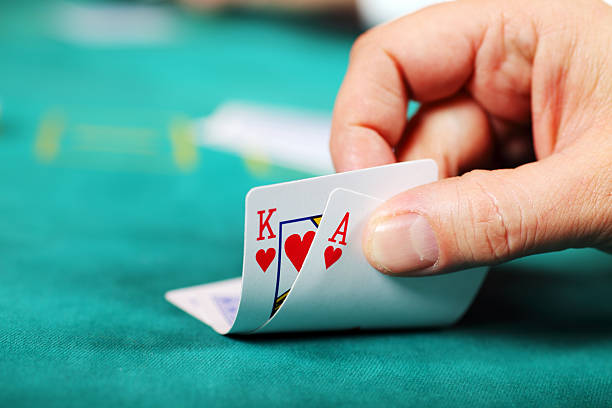
Creating an atmosphere that feels rewarding is a calculated tactic employed by casinos. For instance, the placement of slot machines and tables is often strategically designed to maximize exposure and invite participation. The layout can influence how long a player stays engaged, with popular games placed in high-traffic areas, enhancing social interaction and fostering competition among players. This thoughtful design impacts decision-making, making it easier for players to lose track of time and money. The overall ambiance of a casino is crafted to keep players inside its walls for as long as possible.
Moreover, the environment can exacerbate gambling tendencies in individuals predisposed to addiction. For these players, the sensory overload and vibrant atmosphere can enhance feelings of euphoria, leading them to overlook the risks associated with gambling. Understanding the psychological impact of the casino environment can help players become more aware of their surroundings and make more conscious choices about their gambling habits. By recognizing how environmental factors influence behavior, players can implement strategies to mitigate their effects.
Resources for Responsible Gambling
Understanding the psychology of casino players is essential for fostering responsible gambling practices. There are a variety of resources available for individuals seeking to develop a healthier relationship with gambling. Organizations dedicated to promoting responsible gaming offer guidance, support, and tools to help individuals manage their gambling behavior effectively. These resources can assist players in recognizing signs of problem gambling and encourage them to seek help when needed. By educating themselves about responsible gambling, players can take proactive steps to protect their financial and emotional well-being.
Additionally, many casinos now implement responsible gambling measures, providing players with tools such as self-exclusion programs and time limits on gaming activities. These measures aim to promote awareness and ensure that individuals can enjoy gaming without descending into harmful habits. By prioritizing responsible gambling, casinos can create a safer environment for players and help mitigate the risks associated with excessive gambling. Players should utilize these tools to set personal limits and maintain control over their gambling experiences.
Seeking help from professionals or support groups can be a vital step for individuals struggling with gambling addiction. These resources often provide a sense of community and understanding, as they connect individuals facing similar challenges. By sharing experiences and learning from one another, players can gain valuable insights and coping strategies, empowering them to make better choices regarding their gambling habits. Engaging with these communities can not only provide support but also foster a culture of accountability among players.
